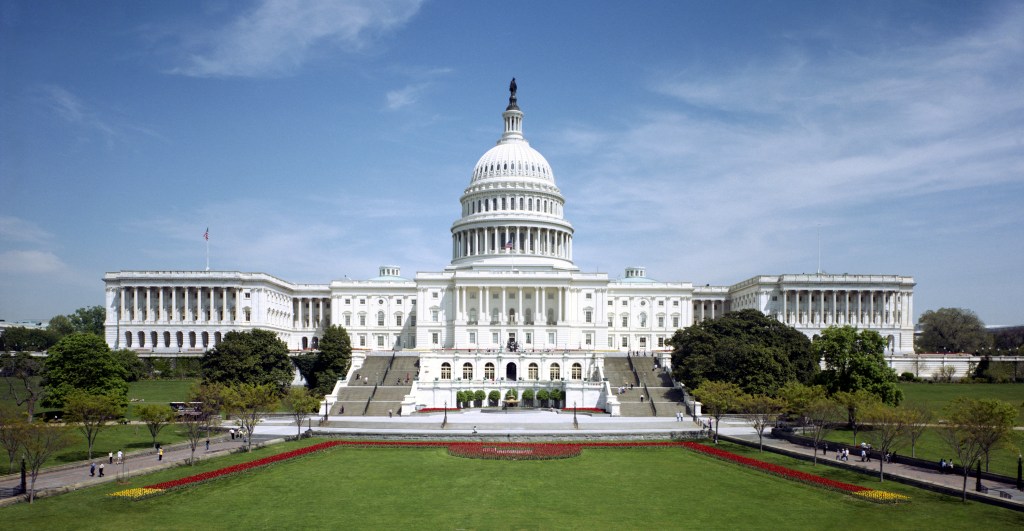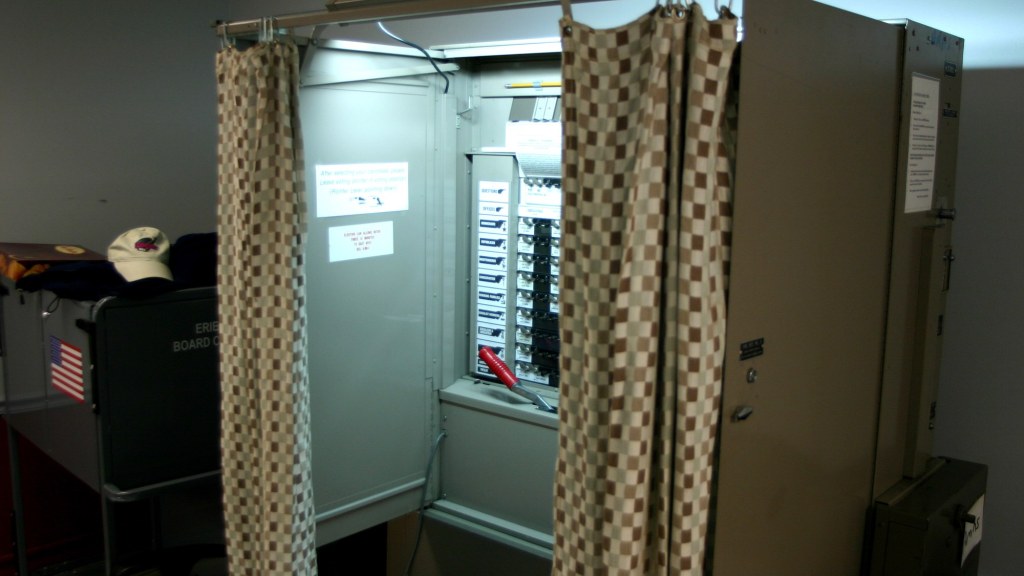
Photo: Dsw4 (Public domain), via Wikimedia Commons (source)
The Supreme Court on Friday, Sept. 25, allowed the Department of Homeland Security to resume using an expanded version of its SAVE database that lets state and local officials check the citizenship of registered voters against Social Security records.
In an unsigned order, the court stayed a June 22 decision by a federal district judge in Washington that had set aside the modified program. The court's three liberal justices dissented. The stay remains in place while the government appeals to the D.C. Circuit and, if it seeks one, through a Supreme Court review.
What the program does
SAVE, short for Systematic Alien Verification for Entitlements, has been used since 1986 to verify the immigration status of noncitizens applying for benefits. After a March 2025 executive order, DHS added checks against Social Security Administration records, including Social Security numbers, and allowed agencies to search many people at once, according to the order. When the system cannot confirm citizenship, the local agency must ask the person for proof to register or stay registered.
The League of Women Voters, the Electronic Privacy Information Center and others sued, arguing the changes violated the Social Security Act, the Privacy Act and the Administrative Procedure Act. The majority said those claims likely fail because a 1996 immigration law expressly lets DHS request and receive citizenship information from other agencies, "notwithstanding" other laws. "The order below prevents the Federal Government from using the program it believes is best suited to the task," the court wrote.
The 90-day limit
The justices acknowledged that the National Voter Registration Act requires states to finish any program to systematically remove ineligible voters at least 90 days before a federal election, which "limits the potential impact" of the stay. But they said the lower court's order also blocked individualized inquiries that federal law permits during that period.
Justice Ketanji Brown Jackson, joined by Justices Sonia Sotomayor and Elena Kagan, wrote that "the harm caused by burdening or disenfranchising even a few lawful voters outweighs the nonexistent harm" to the government.
Reaction
DHS General Counsel James Percival called the ruling "a victory for election integrity." The plaintiffs' lawyers at Citizens for Responsibility and Ethics in Washington called it "profoundly disappointing," Reuters reported via CNBC. The report said the modified system's error rate is not public; the plaintiffs cited a Travis County, Texas, official who said a quarter of the system's noncitizen flags there were for people who had previously shown proof of citizenship.
Norm Eisen, a Trump critic, urged people not to "overreact," pointing to the order's discussion of the 90-day window, The Hill reported.
What's next
The case continues at the D.C. Circuit.
Sources
- Supreme Court of the United States: Department of Homeland Security v. League of Women Voters, No. 26A308 (2026-09-25)
- U.S. Department of Homeland Security: DHS Applauds Supreme Court Decision Permitting Citizenship Verification for Voters (2026-09-25)
- CNBC (Reuters): Supreme Court restores Trump’s mass voter verification system (2026-09-25)
- The Hill: Anti-Trump attorney: ‘Don’t overreact’ to Supreme Court voter database decision (2026-09-25)
Motion Media News corrects errors promptly. To report one, email hello@motionnews.studio.
Added to the Motion Media archive on Sep. 28, 2026.