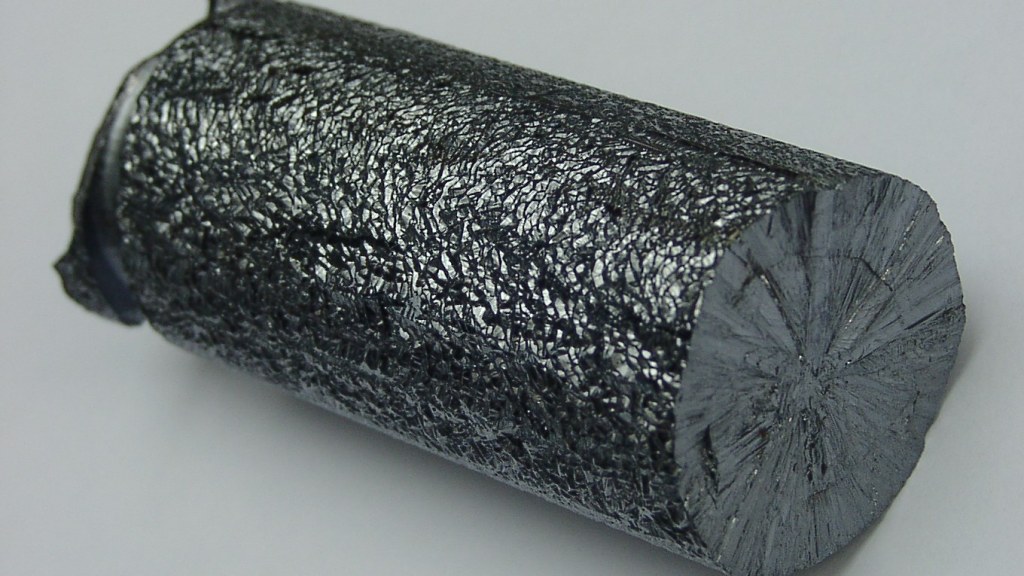
Photo: Warut Roonguthai, CC BY-SA 3.0 (https://creativecommons.org/licenses/by-sa/3.0), via Wikimedia Commons (cropped) (source)
The Commerce Department issued a temporary rule on Tuesday, Sept. 22, that allows it to cut off imports of polysilicon and related solar and semiconductor products from companies it finds are stockpiling them before new Section 232 trade measures begin on Dec. 4.
The rule from the Bureau of Industry and Security took effect immediately, was published in the Federal Register on Sept. 24 and runs through Dec. 3. It carries out Proclamation 11052, which President Trump signed on Aug. 6 and which sets minimum import prices and tariffs on polysilicon and its derivatives starting Dec. 4.
Who can be cut off
Commerce said it is watching for importers of record bringing in polysilicon products "in volumes substantially greater than their historic averages." Its test weighs total imports since Aug. 6, weekly averages since that date, weekly averages for Jan. 1 through Aug. 6 and for all of 2025, and whether a company is routing shipments through affiliates or newly created importers.
Once Commerce flags a company, Customs and Border Protection will block further entries of the covered goods until Dec. 4. In guidance issued the same day, CBP said restricted importers may move goods into a bonded warehouse but may not enter them for consumption before Dec. 4.
Importers that registered with CBP on or after Aug. 6 face fixed weekly caps unless Commerce approves more. The limits are 12 kilograms of high-purity silicon, 7 kilograms of doped wafers and related materials, 2,000 unassembled photovoltaic cells and 55 assembled modules or panels, according to the rule's table and a client alert from the law firm Baker Botts. Commerce said the caps reflect typical volumes brought in by existing importers and that it may change them.
Why Commerce skipped public comment
The department said it had trade data from the week after the proclamation showing "dramatic increases in polysilicon imports from some IORs" compared with their normal weekly volumes, which it said suggests stockpiling is already under way. It argued that a comment period or a 30-day delay would let importers keep building inventory before the tariffs start.
The rule describes polysilicon as the base material for semiconductors used in radar, electronic warfare and missile and drone guidance systems, and says it is also essential for solar products that support U.S. defense programs. Commerce said the measures are meant to help rebuild domestic production capacity.
Customs brokers are also covered. Commerce and CBP said they will act against brokers that set up or facilitate multiple importers of record to get around the limits, and Baker Botts noted that penalties could include fines or the loss of a broker license.
What's next
Restricted companies can apply for waivers through the bureau's Section 232 page. Baker Botts said Commerce intends to answer waiver requests within 14 days. The minimum import prices and tariffs under Proclamation 11052 begin on Dec. 4.
Sources
- Federal Register (Bureau of Industry and Security): Measures To Restrict Stockpiling of Polysilicon and Polysilicon Derivatives Under Proclamation 11052 (2026-09-24)
- U.S. Customs and Border Protection: CSMS # 69994928 – GUIDANCE: Import Ban of Certain Polysilicon Products Under Proclamation 11052 (2026-09-22)
- Baker Botts: No Last-Minute Solar Import Rush: Commerce Moves to Block Polysilicon Stockpiling (2026-09-24)
Motion Media News corrects errors promptly. To report one, email hello@motionnews.studio.
Added to the Motion Media archive on Sep. 28, 2026.