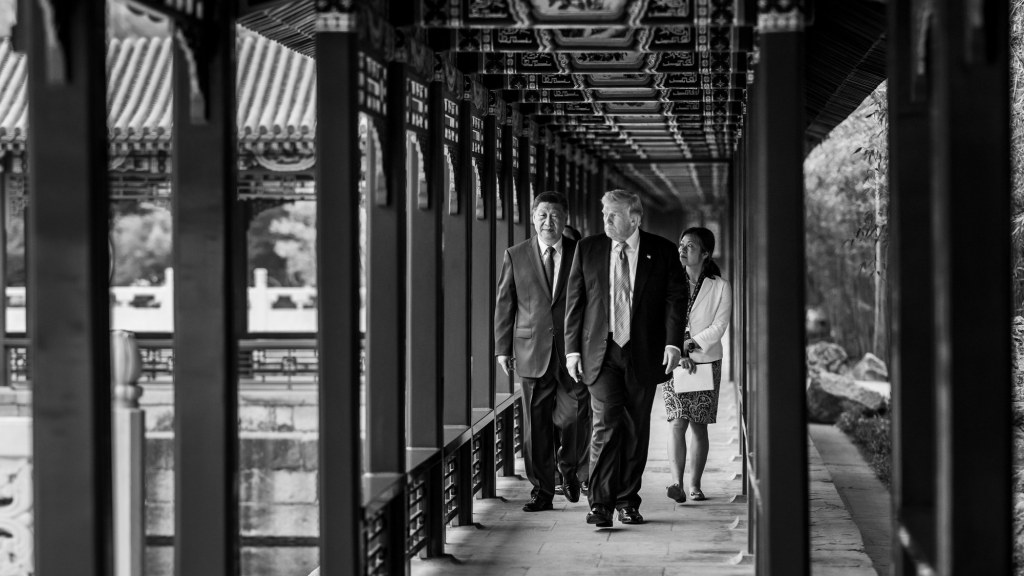
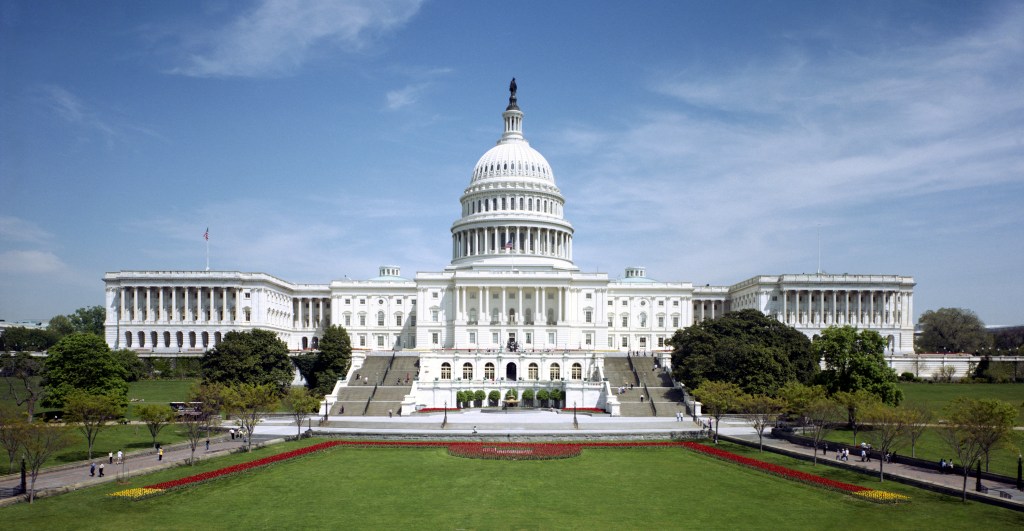
Photo: The White House (Public domain), via Wikimedia Commons (source)
Chinese President Xi Jinping's state visit to Washington ended Friday, Sept. 25, with commitments on coal purchases, the launch of a bilateral investment board and a new channel for incidents involving advanced AI, according to a White House fact sheet released that evening.
According to the fact sheet, China has committed to buy no less than 10 million metric tons of American coal in 2027 and the same amount in 2028. It says the two leaders activated two government-to-government bodies, a trade board and a new investment board, both chartered at their May summit in Beijing. The investment board is meant to give the two sides a structured channel to discuss investment opportunities and obstacles.
Under the trade board, the two governments reached consensus on lower tariffs for $30 billion of "non-sensitive goods" in each direction, according to the White House. It said U.S. exports on the list include farm goods, seafood, wood products, cosmetics and medical devices, while U.S. imports include small appliances, toys and holiday decorations. The board also launched a working group on agricultural market access.
Rare earths and AI
The White House said the two countries "continue to work on U.S. concerns" about shortages of rare earths and other critical minerals, aiming to bring shipments back to "appropriate levels." NPR White House correspondent Emily Feng reported that the two sides extended a truce that had kept China from cutting off U.S. access to rare earths, pushing its expiration from November to January. Feng said that was "far shorter than both sides were hoping for," and that mutual distrust had blocked a longer extension, according to NPR.
The leaders agreed to use the term "super intelligence" instead of "artificial intelligence" for the technologies involved and set up a U.S.-China Super Intelligence Dialogue on its risks and benefits, the fact sheet says. The two countries also agreed to create a bilateral communication channel for incidents involving such systems.
On drugs, the White House said it welcomed China's scheduling of orphines and new Chinese export controls on two fentanyl precursor chemicals. It said Trump asked Xi to increase China's production of refined fuels to steady world supplies.
On security, the fact sheet says the leaders agreed that Iran "can never have a nuclear weapon" and that no country may impose tolls on international waterways. Trump raised Iran with Xi but did not give details, NPR reported. Trump also pressed for trilateral arms control talks among the United States, Russia and China, according to the White House.
What's next
The next Super Intelligence Dialogue exchange is to take place by November 2026, the fact sheet says. Both leaders intend to attend each other's summits as the United States hosts the G20 and China hosts APEC.
Sources
- The White House: Fact Sheet: President Donald J. Trump Advances a Fair and Reciprocal Relationship with China While Hosting Historic State Visit (2026-09-25)
- NPR: Trump gave Xi Jinping a warm welcome. What did the talks accomplish? (2026-09-26)
Motion Media News corrects errors promptly. To report one, email hello@motionnews.studio.
Added to the Motion Media archive on Sep. 28, 2026.




-20260515.jpg)