Photo: Krzysztof Popławski, CC BY 4.0 (https://creativecommons.org/licenses/by/4.0), via Wikimedia Commons (source)
Boeing has received a contract worth about $14.7 billion to triple production of the seekers that guide the PAC-3 Missile Segment Enhancement interceptor, the company said Monday, Oct. 5. The award came from Lockheed Martin, which builds the missile, as an undefinitized contract action covering seven years.
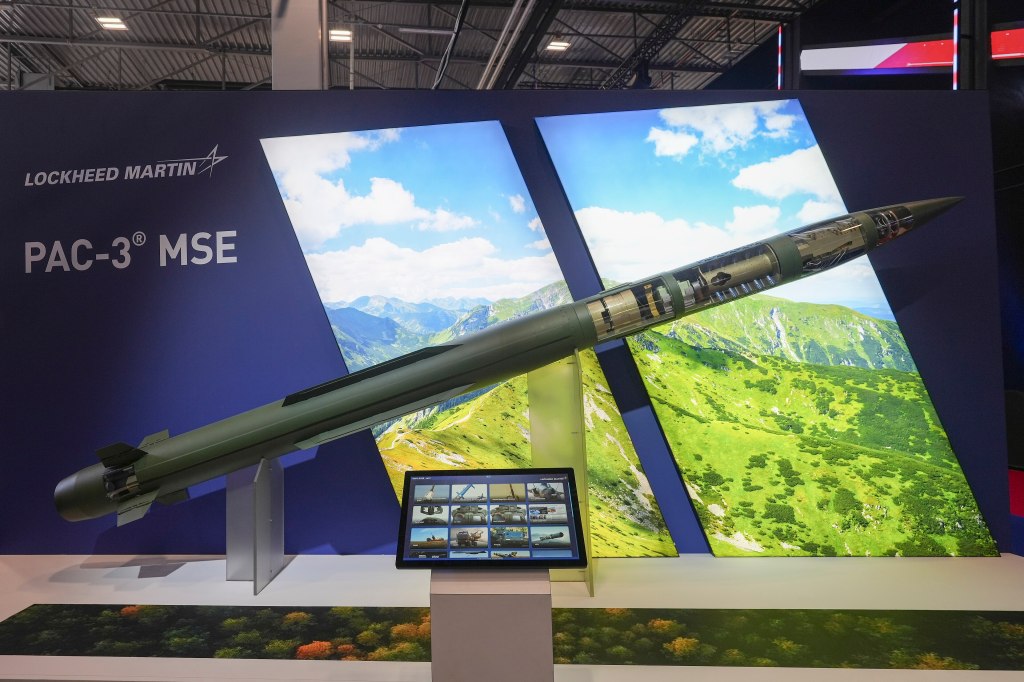
The PAC-3 MSE is the hit-to-kill interceptor fired by the Patriot air defense system. The seeker sits in the missile's nose and steers it to the target, Breaking Defense explained. Boeing said its seekers let the interceptor find, track and engage threats from hostile aircraft to ballistic, cruise and hypersonic missiles.
"Early investment and a relentless focus on quality and execution have positioned us to now deliver seekers at unprecedented levels in the near-term," said Steve Parker, who heads Boeing Defense, Space & Security.
Matching the missile ramp
The contract funds a seven-year framework, agreed between Boeing and the Pentagon in April, for tripling seeker output, Breaking Defense reported. Boeing has not said how many seekers it will deliver. The seeker has reportedly been a bottleneck for PAC-3 production, the outlet said.
Lockheed announced its own framework in January to raise annual PAC-3 interceptor production from roughly 600 to 2,000, Defense News reported. In July, Lockheed received a contract vehicle worth nearly $59 billion for PAC-3 MSE production, according to Breaking Defense.
An undefinitized contract action lets work begin while final prices and quantities are still being negotiated, and allows early work even when funding is held up, Breaking Defense noted. Congress has not yet approved a fiscal 2027 budget, the outlet said.
The award comes as the U.S. moves to rebuild interceptor stockpiles drained by fighting in the Middle East and Ukraine, according to Breaking Defense. Defense News said the military's use of expensive interceptors against low-cost Iranian munitions during Operation Epic Fury has drawn growing scrutiny over the past eight months.
Jobs in Huntsville
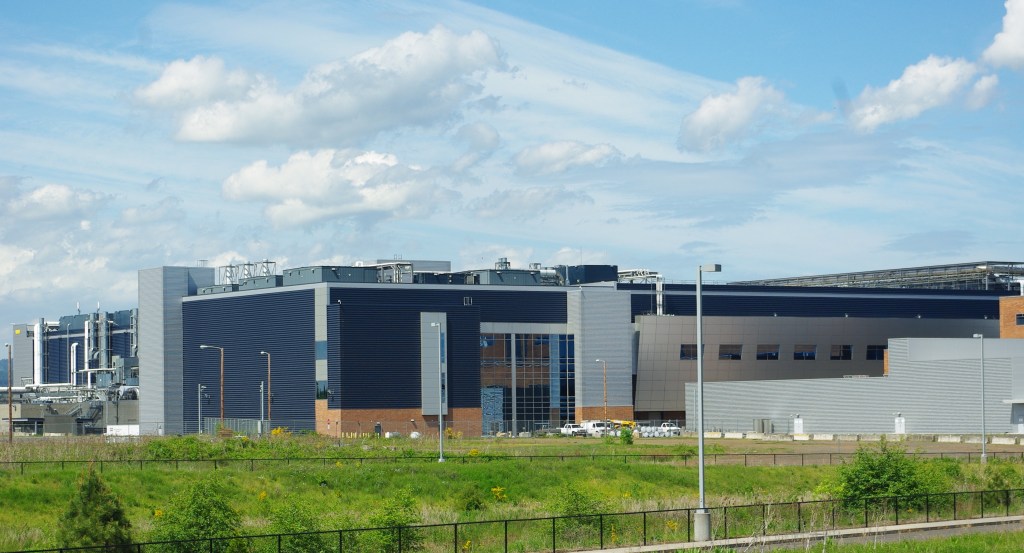
The seekers will be built at Boeing's facility in Huntsville, Ala., according to Defense News. Boeing said it began ramping up production and hiring there earlier this year, after the framework was announced, and expects the contract to create hundreds of direct and indirect jobs around Huntsville. The company said it has also invested in expanding its seeker factory and strengthening its supplier base.
The seeker deal follows a run of large awards for Boeing. On Sept. 29, the Navy chose Boeing to develop its F/A-XX sixth-generation carrier fighter, in a deal valued at over $20 billion, and the Air Force ordered 22 more F-15EX fighters for $2.38 billion the same day, Defense News reported.
What's next
Final terms and quantities for the seeker work still have to be set under the undefinitized award. Boeing is also developing a cheaper seeker, the Ultra Low-Cost Seeker, and plans future flight tests but has not said when it could enter service, Breaking Defense reported.
Sources
- Boeing: Boeing receives seven-year contract to accelerate PAC-3 MSE seeker output (2026-10-05)
- Breaking Defense: Boeing nabs potential $14.7 billion PAC-3 seeker contract (2026-10-05)
- Defense News: Boeing locks in 7-year deal to triple PAC-3 MSE seeker output (2026-10-05)
Motion Media News corrects errors promptly. To report one, email hello@motionnews.studio.