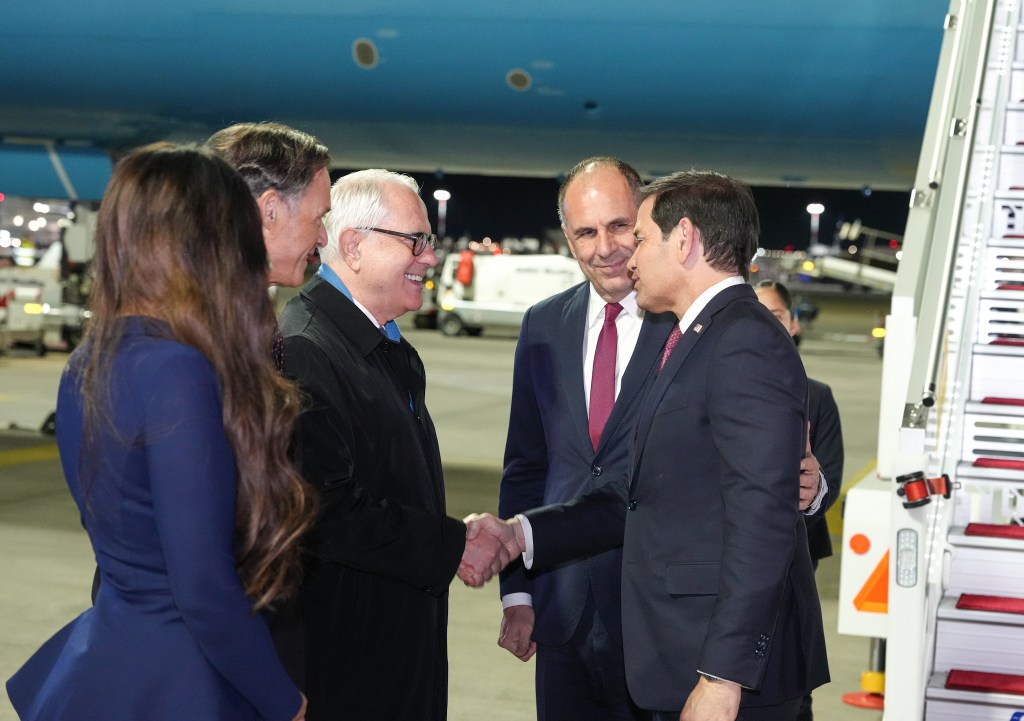
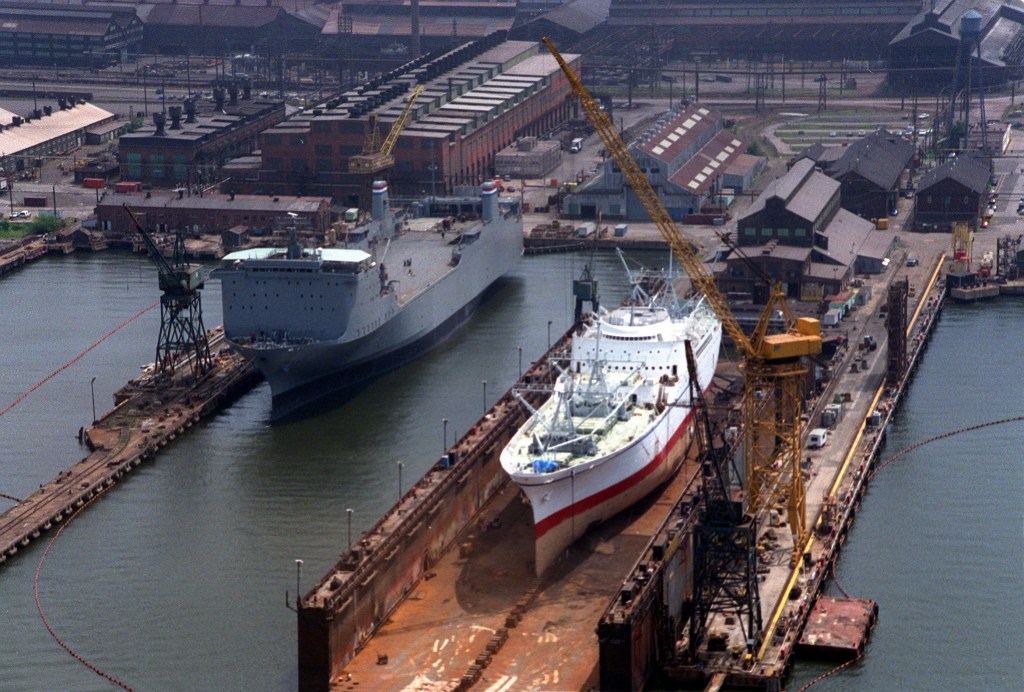
Photo: U.S. Department of State / Freddie Everett, via Wikimedia Commons (source)
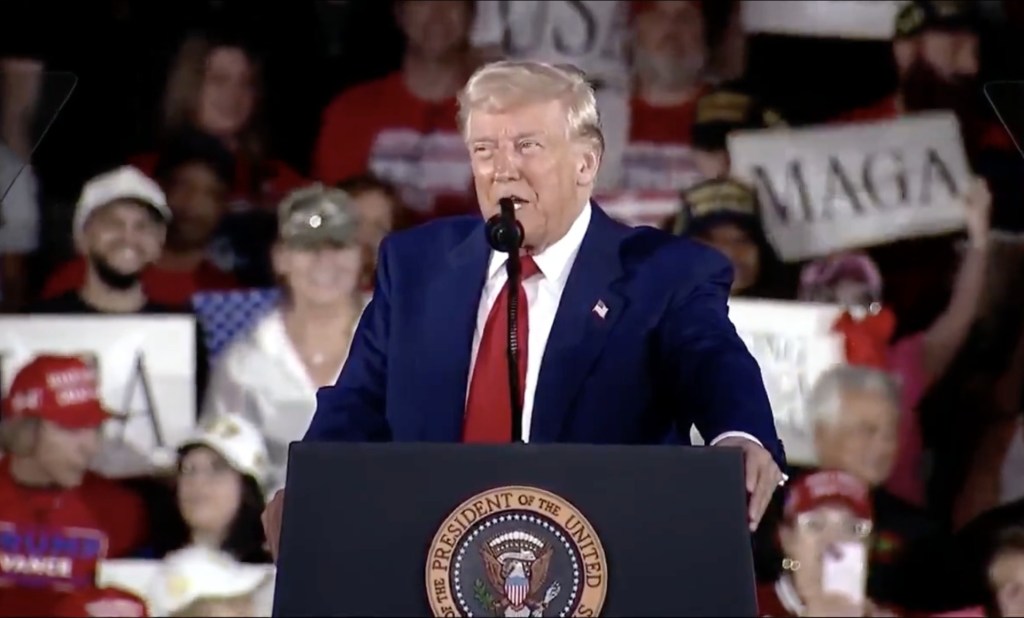
Vice President JD Vance said Iran needs to make a "meaningful" reduction in its nuclear enrichment capacity to meet U.S. demands and end the war between the two countries, which began Feb. 28, according to an exclusive interview with Reuters published Tuesday, Oct. 6. Vance spoke Monday in Fairbanks, Alaska, after a campaign rally for Republican Sen. Dan Sullivan, according to a Reuters transcript.
"If you don't want a nuclear weapon, then why do you need 60% enriched fuel?" Vance said. He told Reuters that Washington remains open to a deal but wants concrete nuclear steps rather than promises: "We're not going to trade words for actions."
CBS News said the remarks appeared to soften the U.S. position. CBS noted that President Donald Trump called for "no enrichment" in February, a day before the fighting started. Experts told Al Jazeera the wording may signal a shift from the earlier insistence that Iran give up enrichment entirely.
Vance said U.S. officials are in contact with Iran's president, Masoud Pezeshkian, and its foreign minister, Abbas Araghchi, but that "it's not totally clear how their country makes decisions," Reuters reported. He also said Iranian forces can hit some commercial ships in the Strait of Hormuz but largely cannot stop energy exports.
Rubio: 'lost complete control'
Secretary of State Marco Rubio, speaking to reporters in Athens on Wednesday, said Iran had "lost complete control" of the strait. "The Straits of Hormuz are open. There's almost as much oil flowing out now as there was before this conflict began," he said, according to CBS News. Rubio added that Iran's economy was "in total and complete freefall" and that "Iran cannot have a nuclear weapon, simple, period, end of story."
Maritime intelligence firm Kpler said Gulf oil flows, not counting Iran, topped 81% of prewar levels in September, Al Jazeera reported. Attacks on shipping continue: U.K. Maritime Trade Operations counted nine so far in October, CBS reported, citing AFP.
Iran's response
A senior Iranian official involved in indirect talks told Reuters that Vance's comments were "Washington's ideas and requests" and "at odds with Iran's demands," CBS reported. The official said the U.S. must first meet Iran's conditions, including an end to the blockade of Iran's ports, before any talks on the nuclear program. The official called enrichment a red line but said details could be discussed later.
Brig. Gen. Mohammad Reza Naqdi, an adviser to the commander of the Islamic Revolutionary Guard Corps, said the strait remains closed and that Iran will soon block what he called "illegal routes" through it, according to CBS. On Monday, Pezeshkian called negotiations with Washington "futile," Al Jazeera reported, citing the IRNA news agency.
What's next
Trump has turned down Tehran's most recent offer and has warned that U.S. military action could step up once the November midterm elections are over, Reuters reported. Iran is seeking an end to the naval blockade, sanctions relief and the release of frozen assets, according to Al Jazeera.
Sources
- Reuters (via Yahoo News): Exclusive-In interview, US Vice President Vance says Iran must cut enrichment to end war (2026-10-06)
- Reuters (via Yahoo News): Transcript of US Vice President Vance interview in Alaska (2026-10-06)
- CBS News: Live Updates: Vance seems to soften Iran nuclear demands, Rubio says Tehran has "lost control" of Strait of Hormuz (2026-10-07)
- Al Jazeera: US sets new demands for Iran deal: What are they? (2026-10-07)
Motion Media News corrects errors promptly. To report one, email hello@motionnews.studio.



.jpg)